

Owning a Rolex is not just about telling time it is about wear a symbol of craftsmanship, lastingness, and prestigiousness. While Rolex watches are famous for their hardiness, they are still opulence timepieces that merit careful treatment, especially in harsh environments. Whether you are an venturer grading mountains, a plunger exploring sea depths, or simply someone sustenance in an environment with extremum conditions, safeguarding your Rolex ensures both its functionality and value. Below, we ll search how to protect your Rolex in challenging surroundings and why bar is key to long-term enjoyment.
Understanding Rolex Durability
Rolex has built its repute on creating watches designed to brave out. Models like the Submariner, Explorer, and Sea-Dweller are engineered with features such as water resistance, expunge-resistant sky-blue crystals, and corrosion-resistant Oystersteel. However, even with these protections, no see is all unconquerable. Sand, brine, extreme point heat, and continual impacts can still affect the public presentation and visual aspect of your Rolex over time.
Knowing the limits of your see helps you take the right steps to protect it. While it may be tantalising to rely only on the stigmatise s unrefined design, adding an extra level of care will help preserve your investment.
Challenges in Harsh Environments
Different environments pose different risks for Rolex owners:
Marine Environments(Saltwater Chlorine): Saltwater is extremely corrosive, and Cl in pools can be equally negative. Even though Rolex uses corrosion-resistant materials, exposure without rinse can lead to long-term damage.
Dusty and Sandy Conditions: Beaches, comeuppance, and construction zones can give away your catch to abrasive particles. Sand can scratch urbane surfaces, while fine dust may settle into watchband links or crown duds.
Extreme Heat and Cold: Rolex watches are stacked to wield a wide temperature range, but abrupt or extreme point changes can still touch gaskets and lubricants, poignant water underground and timekeeping truth.
Impact-Prone Activities: Sports such as rock mounting, rafts biking, or construction work reveal your Rolex to shocks and dents. While the Oyster case is durable, target bear upon can still damage the case or watch crystal.
Chemicals and Industrial Exposure: Solvents, oils, and harsh cleansing chemicals may degrade seals, polish, or even regard metallic element surfaces if not promptly clean.
Best Practices for Protection
1. Use Protective Film or Covers
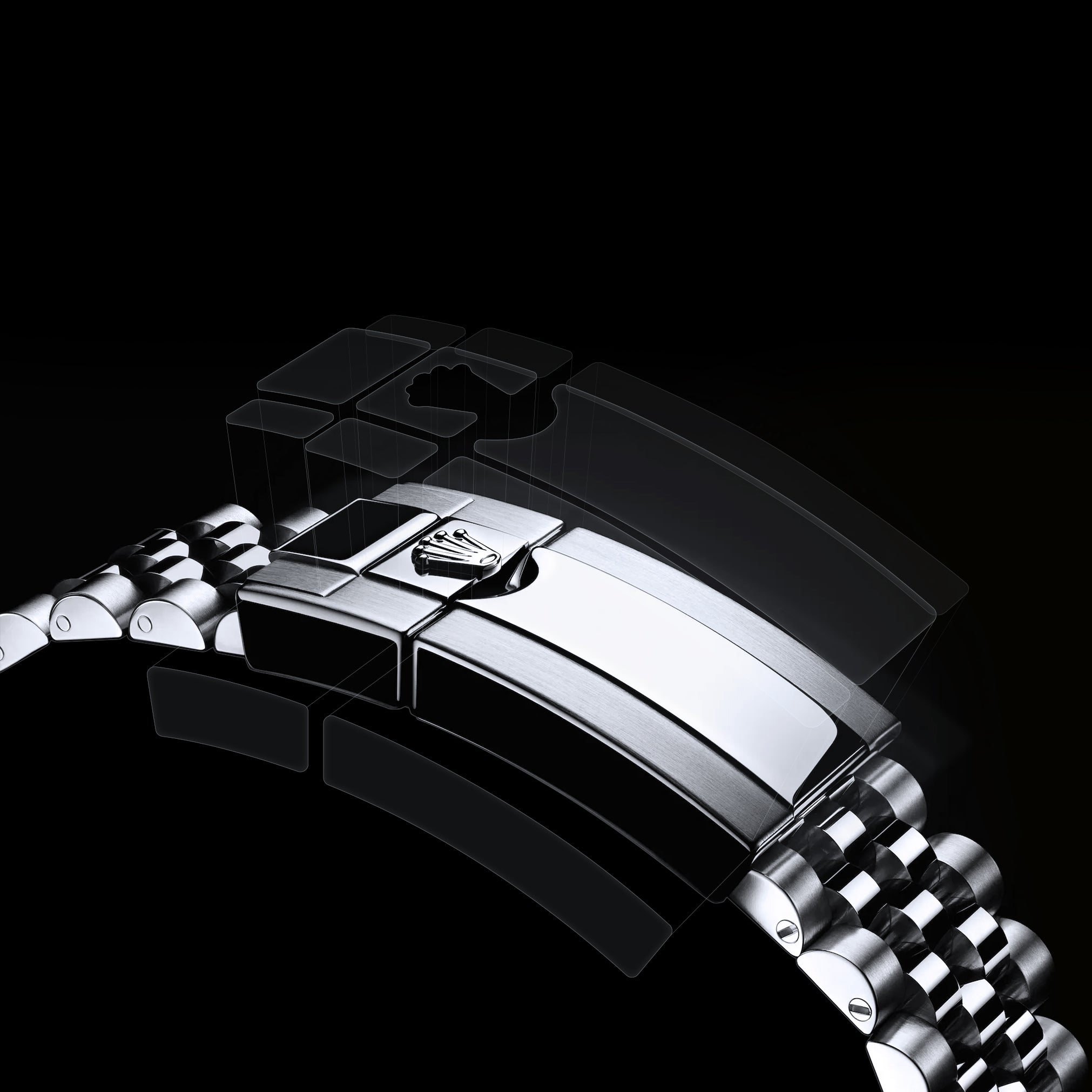
For expunge-prone environments, applying a high-quality protective film is a hurt safeguard. These films are nearly lightless and safeguard against scratches on the case, bezel, and watchband. Alternatively, a silicone see wrap up can offer temporary shielding during particularly hazardous activities.
2. Rinse After Salt or Chlorine Exposure
If you wear your Rolex in the sea or pool, always wash it thoroughly with freshly irrigate later. Pay close care to the watchband, case back, and crown area where salt crystals or Cl residual may pile up.
3. Regularly Check the Crown
The top is a indispensable roadblock for water resistance. Always check it is screwed down tightly before incoming irrigate or stale environments. A let loose top leaves the social movement vulnerable to wet, dust, and detritus.
4. Avoid Extreme Shocks
While Rolex movements are traumatise-resistant, recurrent heavy impacts can involve precision. Consider removing your Rolex during high-impact sports or using a protective case if you want to keep it on.
5. Store Properly When Not in Use
If you re traveling to particularly harsh environments, sometimes the best tribute is departure your Rolex behind. When not in use, lay in it in a cushioned watch case or safe environment to understate risks.
Maintenance and Servicing
Even with careful use, a Rolex Protection exposed to unpleasant conditions will gain from fixture sustenance. Authorized Rolex service centers can coerce-test the case for water underground, replace worn gaskets, and smoothen scratches if needed. A typical service time interval is every 5 10 years, but in difficult environments, more frequent -ups may be wise.
Additionally, keep off DIY fixes like possibility the case or using house cleaners. Only trusty professionals should handle difficult tasks like resealing or polishing, ensuring your Rolex maintains its master copy integrity.
Balancing Use and Preservation
A Rolex is built to be worn, not bolted away. Sir Edmund Hillary and Tenzing Norgay wore Rolex watches on Everest s summit, different have taken them to extremum depths, and incalculable explorers have relied on them in the harshest corners of the planet. However, the remainder between enjoying a take in and damaging it often lies in heedful utilisation.
Being active whether by rinsing, applying protective film, or programing apropos servicing lets you wear your Rolex with confidence, no matter the environment.
Final Thoughts
Protecting your Rolex in harsh environments is about balance: appreciating its enduringness while respecting its workmanship. By sympathy the risks and pickings simpleton precautions, you can assure your Rolex not only survives but thrives in any . Whether you re navigating the salty spray of the sea, braving defect winds, or patient freezing heaps peaks, a little care will keep your Rolex track cleanly and looking impeccable for generations to come.
