

Snack foods are enjoyed by millions of people every day because they are convenient, tasty, and available in many different varieties. Whether someone prefers potato chips, popcorn, nuts, crackers, cookies, or dried fruits, freshness plays a major role in the overall eating experience. 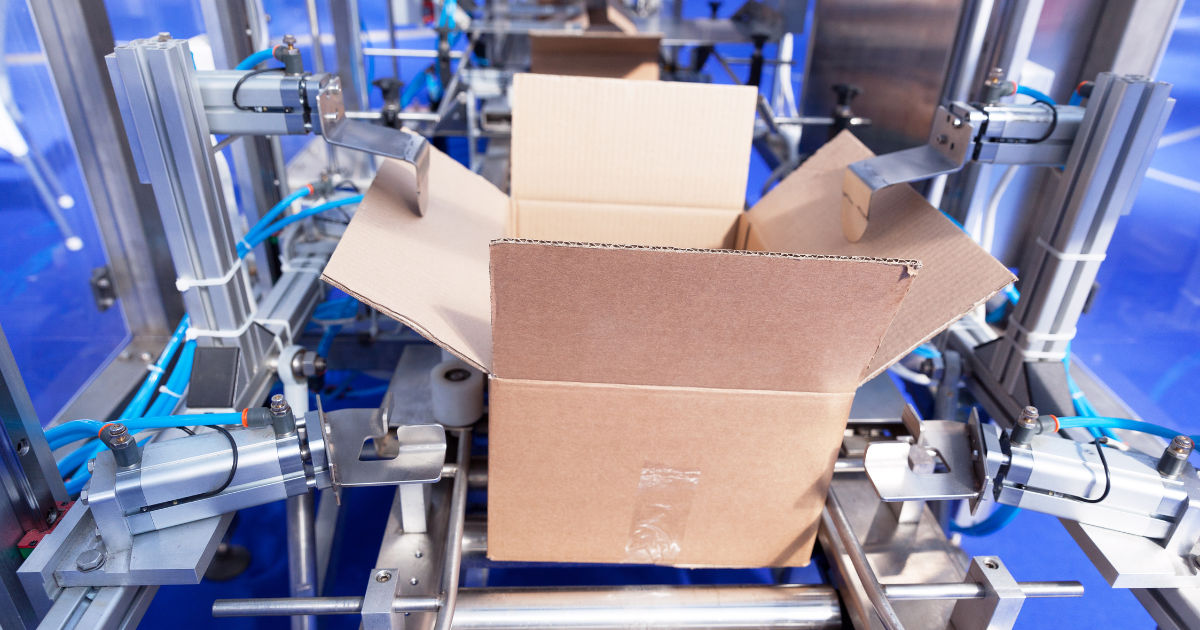
Modern food manufacturers rely on Packing machines to create airtight seals, maintain hygiene, reduce contamination, and improve production efficiency. These advanced systems work quickly while ensuring every snack package meets high-quality standards. From filling bags with the correct amount of product to sealing them tightly, every stage contributes to preserving freshness and extending shelf life.
As consumer expectations continue to rise, businesses invest in advanced Packing machines that deliver consistent performance and reliable packaging. These machines help reduce waste, improve food safety, and maintain product quality from the factory to the customer's home. Understanding how these machines work explains why packaged snacks remain fresh for weeks or even months.
Why Freshness Matters for Snack Products
Freshness is one of the first qualities consumers notice after opening a snack package. A crispy chip, crunchy cracker, or roasted nut loses its appeal if it becomes stale or absorbs moisture. Freshness directly affects taste, texture, aroma, and customer satisfaction.
Many snack products contain natural oils and ingredients that react with oxygen over time. Exposure to air causes oxidation, which changes flavor and creates unpleasant odors. Moisture can soften crispy products, while excessive heat speeds up spoilage.
Food manufacturers focus on preventing these problems through careful packaging processes. Packing machines create protective barriers that minimize contact with environmental factors, helping products maintain their original quality for much longer.
Fresh snacks also strengthen customer trust. When consumers consistently receive products that taste fresh, they are more likely to purchase the same brand again.
The Main Causes of Snack Products Losing Freshness
Snack foods face several threats after production. Understanding these risks highlights the importance of proper packaging.
Air is one of the biggest enemies of packaged snacks. Oxygen reacts with oils inside products, causing rancidity and flavor loss.
Moisture creates another major challenge. Crispy foods absorb humidity from the environment, making them soft and unpleasant to eat.
Light exposure can also damage certain ingredients by accelerating chemical reactions that affect taste and appearance.
Temperature fluctuations during transportation and storage increase the risk of spoilage, especially in products containing chocolate or sensitive ingredients.
Microorganisms may contaminate food if packaging is weak or improperly sealed.
Physical damage during shipping can crush delicate snacks, reducing product quality before they reach consumers.
Modern Packing machines are designed to protect products from all these challenges simultaneously.
How Packing Machines Create a Protective Barrier
One of the most important functions of Packing machines is creating an effective protective barrier around snack products.
Packaging materials are carefully selected based on the product's requirements. Multi-layer films often include materials that resist moisture, oxygen, and light. These layers work together to preserve freshness.
During packaging, Packing machines seal the material tightly around the product. Strong seals prevent outside air from entering while keeping protective gases inside when necessary.
The result is a secure package that shields snacks from environmental conditions throughout distribution and retail display.
A properly sealed package also prevents insects, dust, and contaminants from reaching the food.
Airtight Sealing Preserves Crispness
The crisp texture of many snack foods depends on keeping moisture away.
Potato chips, tortilla chips, pretzels, crackers, and popcorn all lose their crunch if exposed to humidity. Airtight sealing prevents outside moisture from entering the package.
Packing machines use heat sealing technology to fuse packaging materials together securely. These seals are carefully controlled to ensure consistent strength without damaging the package.
Advanced sealing systems monitor temperature, pressure, and sealing time automatically. This precision reduces packaging defects while maintaining excellent product protection.
Consumers benefit by receiving snacks that taste just as fresh as when they were first packaged.
Oxygen Control Extends Shelf Life
Oxygen significantly shortens the shelf life of many snack products.
When oxygen reacts with fats and oils, oxidation begins. This natural process changes flavor, aroma, and nutritional quality.
Many Packing machines include systems that reduce oxygen levels inside the package before sealing. Some use vacuum technology to remove air, while others replace oxygen with nitrogen gas.
Nitrogen is safe, odorless, and helps preserve freshness by reducing oxidation. It also cushions fragile snacks during transportation.
Lower oxygen levels help products remain fresher for longer periods while maintaining their intended taste and texture.
Moisture Protection Is Essential
Moisture is responsible for many common packaging failures.
Even a small amount of humidity entering a package can soften crispy snacks. Dry foods quickly absorb water from the surrounding environment if packaging is not properly sealed.
Manufacturers choose moisture-resistant packaging materials that work with Packing machines to create dependable protection.
Strong seals combined with high-quality barrier films prevent water vapor from reaching the food.
This moisture control helps preserve crunch, flavor, and appearance throughout the product's shelf life.
The Role of Packaging Materials
The performance of Packing machines depends greatly on the packaging materials being used.
Different snacks require different types of packaging films. Chips often use laminated plastic films with strong oxygen barriers. Nuts may require additional moisture protection. Cookies sometimes need rigid trays combined with flexible wrapping.
Packaging materials must be strong enough to resist tearing while remaining lightweight and cost-effective.
Manufacturers carefully test compatibility between packaging materials and Packing machines to ensure efficient operation and reliable sealing.
The right combination improves both product protection and production efficiency.
Maintaining Food Safety During Packaging
Food safety is a top priority in every snack manufacturing facility.
Modern Packing machines minimize direct human contact with food after production. Automated handling reduces contamination risks while improving consistency.
Many systems use stainless steel construction because it is durable, corrosion-resistant, and easy to clean.
Regular sanitation procedures help prevent bacteria, mold, and other harmful microorganisms from entering the packaging process.
Automated inspection systems also detect damaged packages, incomplete seals, or foreign materials before products leave the factory.
These safety measures help manufacturers comply with food regulations while protecting consumer health.
High-Speed Packaging Without Sacrificing Quality
Snack production facilities often manufacture thousands of products every hour.
Manual packaging cannot match the speed or consistency required by modern food companies. Packing machines automate repetitive tasks while maintaining accurate performance.
Sensors continuously monitor filling accuracy, seal quality, package positioning, and machine operation.
Automation reduces human error while increasing production output.
Despite operating at high speeds, today's machines maintain precise quality standards, ensuring every package receives the same level of protection.
This consistency helps manufacturers satisfy growing consumer demand while maintaining product freshness.
Accurate Filling Prevents Packaging Problems
Every snack package must contain the correct amount of product.
Overfilled packages may not seal properly, while underfilled packages disappoint customers.
Modern Packing machines use advanced weighing systems to deliver precise product quantities.
These systems automatically adjust filling levels based on product characteristics and production requirements.
Accurate filling also prevents excessive product movement inside packages, reducing breakage during transportation.
Consistent portion control improves customer satisfaction while reducing product waste and manufacturing costs.
Protecting Delicate Snack Products
Many snack foods break easily during packaging and transportation.
Potato chips, tortilla chips, crackers, and baked snacks require careful handling throughout the production process.
Modern Packing machines gently transport products using specially designed conveyors, feeders, and filling systems.
Some machines use vibration control and carefully timed product release to minimize breakage.
Nitrogen flushing adds another layer of protection by creating a cushioning effect inside flexible packages.
These combined technologies help ensure consumers receive intact products with minimal damage.
Supporting Longer Distribution Networks
Today's snack manufacturers often distribute products across cities, countries, and international markets.
Long transportation times increase the importance of reliable packaging.
Packing machines help create packages that withstand shipping, warehouse storage, retail display, and customer handling.
Durable seals and strong packaging materials reduce the risk of leaks or contamination during long-distance transportation.
This allows manufacturers to expand into new markets while maintaining consistent product quality.
Reducing Product Waste
Food waste represents a significant challenge for manufacturers, retailers, and consumers.
Poor packaging increases spoilage, damaged products, and customer complaints.
Efficient Packing machines reduce waste by producing secure, consistent packages that protect products throughout the supply chain.
Accurate filling systems minimize ingredient loss during production.
Reliable sealing reduces package failures that could otherwise result in discarded products.
Lower waste benefits businesses financially while supporting environmental sustainability through improved resource efficiency.
Conclusion
Attractive packaging strengthens brand recognition, improves customer satisfaction, and increases the likelihood of repeat purchases. Consistency across every package also reflects a company's commitment to quality and professionalism.
Businesses that invest in Packing machines are better prepared to compete in an increasingly demanding marketplace. Automation allows companies to expand production capacity, maintain product quality, improve operational efficiency, and meet evolving regulatory requirements.
