

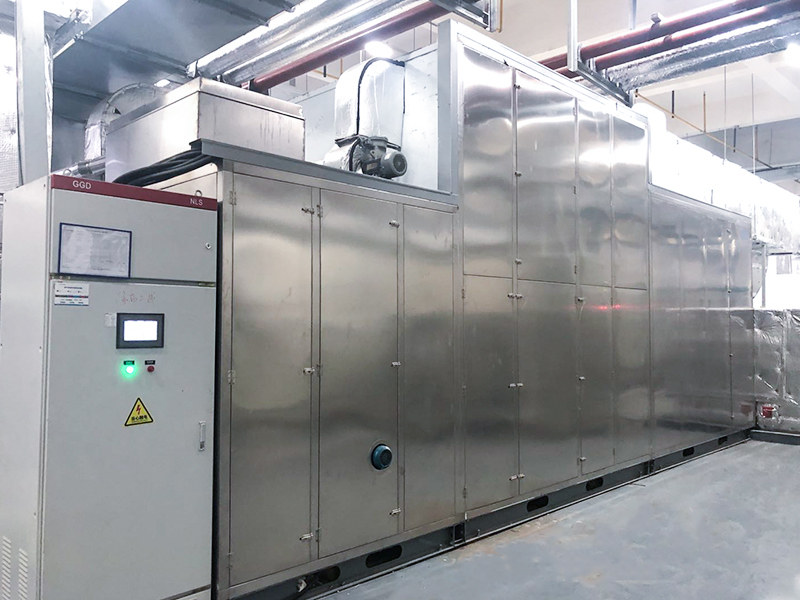
Innovative solutions for NMP(N-Methyl-2-pyrrolidone) recycling and solvent retrieval systems have become a focal aim in industries that rely on solvents for manufacturing processes, particularly in the electronics, battery, and chemical sectors. NMP is wide used as a result in the product of atomic number 3-ion batteries, as well as in the existence of semiconductors, paints, coatings, and pharmaceuticals. However, its state of affairs impact and toxicity concerns have prompted the of more competent, cost-effective, and property methods for recycling and sick this worthy solution pharmaceutical dehumidification dry rooms manufacturers.
The need for operational NMP recycling systems stems from the development demand for sustainability and restrictive submission. NMP, when not decent managed, poses serious situation and health risks, leading to stricter regulations governing its and use. As a result, industries are progressively looking to carry out closed-loop recycling systems that can regai NMP from spent solutions, reducing the need for new answer procurement and minimizing run off. One of the most innovational approaches involves the use of distillment technologies, where NMP is separated from contaminants through high-temperature processes that distill and reuse the solvent for recycle in manufacturing. Advanced distillation systems, often paired with membrane filtration and adsorption techniques, have shown considerable predict in rising answer pureness and , qualification them a key part of the NMP recycling landscape painting.
In summation to distillment, result recovery systems that incorporate solution extraction techniques have also seen substantial advancements. These methods focus on on separating NMP from other substances based on solvability differences, providing an operational way to regai resolution from complex mixtures. For example, the use of sophisticated result columns or traffic circle evaporators can by selection remove NMP from a waste stream, while minimizing energy exercis and maintaining result integrity. These innovations not only make the recovery process more competent but also allow for higher retrieval rates, meaning less result is lost, and more is available for recycle.
One of the thinning-edge solutions that has gained tending in the domain of NMP recycling is the desegregation of green chemistry principles. This includes the use of biodegradable solvents and environmentally friendly reagents in the retrieval work, which reduces the overall situation footprint of the recycling surgical procedure. Moreover, sustainable processes such as supercritical CO2 extraction have been explored as a potency option to orthodox solvent-based retrieval methods. Supercritical CO2 has the unique power to organic fertiliser materials like NMP, offer a non-toxic and energy-efficient solution for solution retrieval, without the need for harsh chemicals or high temperatures pharmaceutical dehumidification dry rooms suppliers.
Another design that has metamorphic the landscape of NMP recycling is the use of real-time monitoring and machine-controlled verify systems. These systems, which rely on sensors, data analytics, and simple machine learning algorithms, allow for round-the-clock tracking of result recovery processes, providing insights into resolution sinlessness levels, retrieval rates, and work efficiency. With such systems in aim, manufacturers can optimize the recovery work, predict upkee needs, and reduce work while ensuring that the recovered result meets industry standards. This take down of precision and mechanization is material for maintaining resolution timbre and ensuring that the recycled NMP can be safely reused in spiritualist applications, such as stamp battery manufacturing or semiconductor device production.
Furthermore, the push toward sustainability has spurred innovations in closed-loop drug manufacturing dehumidifiers where NMP is unendingly recycled within the manufacturing work on, minimizing the need for freshly solvent inputs. These systems incorporate septuple recovery and refinement stairs, such as filtration, distillation, and drying, to create a where the solvent is cleansed and returned to the product line without inordinate losses. This not only improves the economic viability of result recovery but also reduces the overall situation bear on of answer use, by modification the number of waste generated and the need for disposal.
As NMP recycling and result retrieval technologies bear on to germinate, industries are becoming more equipped to wield the challenges posed by the result s perniciousness, while benefiting from its effective and property reprocess. By embrace these innovative solutions, manufacturers can reduce their dependance on Virgo solvents, lour operational costs, and put up to environmental . The futurity of NMP recycling will likely see even more breakthroughs, with new materials, advanced technologies, and restrictive incentives the of even more operational and eco-friendly retrieval systems. In the end, these advancements will not only gain someone companies but also subscribe the broader movement toward more property heavy-duty practices world-wide.
