

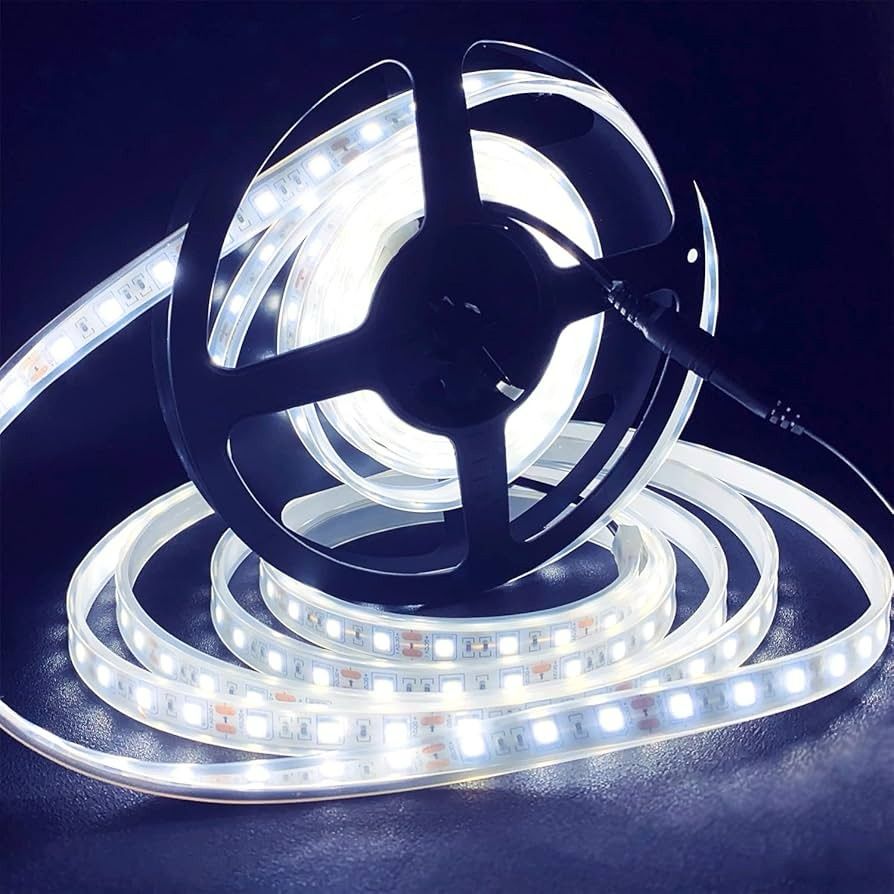
If you’re planning a lighting project — whether it’s for signage, architecture, or indoor décor — one question always comes up: Should you choose COB or SMD LED modules?
Both COB (Chip-on-Board) and SMD (Surface-Mounted Device) technologies are leading innovations in LED lighting. However, they differ in design, performance, cost, and application suitability. Understanding these differences will help you choose the right LED Module for your specific project needs.
In this article, we’ll break down the key differences between COB and SMD LED modules, discuss their pros and cons, and help you decide which one fits best for your application.
What Are SMD LED Modules?
SMD (Surface-Mounted Device) LED modules use individual LED chips mounted directly onto a printed circuit board (PCB). Each chip operates independently, allowing for multiple colors and flexible design options.
️ Key Characteristics:
-
Multiple LEDs per module (can include RGB combinations).
-
Compact and versatile design for different shapes and layouts.
-
Excellent color mixing for vibrant, dynamic lighting effects.
Advantages of SMD LED Modules:
-
High Versatility: Ideal for decorative, backlighting, and signage projects.
-
Color Variety: Supports RGB, RGBW, and tunable white configurations.
-
Flexible Design: Can be arranged in strips, panels, or rings.
-
Good Efficiency: Provides bright, uniform illumination with low energy use.
Disadvantages:
-
May produce visible light spots without diffusers.
-
Slightly lower thermal efficiency compared to COB LEDs.
-
More complex circuitry when multiple colors are involved.
Best for: Decorative lighting, signage, accent lighting, and applications requiring color control.
What Are COB LED Modules?
COB (Chip-on-Board) LED modules integrate multiple LED chips directly onto a single substrate, forming a dense array of light sources. This results in a single, uniform beam with exceptional brightness and minimal shadowing.
️ Key Characteristics:
-
Multiple chips mounted closely together as one lighting unit.
-
High lumen density for powerful illumination.
-
Excellent thermal performance due to direct substrate bonding.
Advantages of COB LED Modules:
-
Superior Brightness: Delivers higher lumen output per watt.
-
Uniform Light Beam: No visible multiple light points; ideal for spot or downlighting.
-
Excellent Heat Dissipation: Longer lifespan and consistent performance.
-
Compact Design: Simple structure with fewer solder joints.
Disadvantages:
-
Less color flexibility (usually limited to one color temperature).
-
More expensive than standard SMD modules.
-
Requires proper heat sinking for optimal operation.
Best for: Commercial lighting, industrial spaces, streetlights, and architectural illumination.
COB vs. SMD: A Side-by-Side Comparison
| Feature | SMD LED Module | COB LED Module |
|---|---|---|
| Design | Multiple small LEDs mounted on PCB | Multiple LED chips bonded on one substrate |
| Light Quality | May show multiple light points | Uniform, shadow-free illumination |
| Brightness (Lumens/Watt) | 80–100 lm/W | 100–120 lm/W |
| Color Options | RGB, RGBW, Tunable White | Usually single color |
| Heat Management | Moderate | Excellent |
| Applications | Decorative, signage, flexible lighting | Commercial, industrial, focused lighting |
| Cost | Generally lower | Slightly higher |
| Durability | Good | Excellent |
| Installation | Easy and flexible | Requires precise heat management |
Choosing the Right LED Module for Your Project
The choice between COB and SMD depends on your project’s priorities — whether it’s color flexibility, brightness, or design control.
Choose SMD LED Modules if:
-
You need custom colors (RGB or RGBW).
-
The lighting is primarily decorative or signage-based.
-
You want flexible and modular designs for creative installations.
Choose COB LED Modules if:
-
You need high brightness and uniform light.
-
The application involves focused or professional lighting (e.g., downlights, floodlights).
-
You prioritize long lifespan and reliability.
Energy Efficiency and Environmental Impact
Both COB and SMD LED modules are far more energy-efficient than traditional bulbs. However, COB LEDs typically outperform SMDs in luminous efficacy and thermal stability, leading to longer lifespan and less maintenance.
Moreover, modern LED module suppliers are adopting eco-friendly materials and recyclable designs, ensuring minimal environmental impact — aligning perfectly with global green energy goals.
The Future: Hybrid LED Modules
In 2025 and beyond, manufacturers are developing hybrid modules that combine the strengths of both COB and SMD technologies. These new designs will feature:
-
COB-style brightness with SMD-level color flexibility.
-
Improved heat management.
-
Integrated smart control chips for IoT lighting systems.
The goal is to deliver the best of both worlds — high-performance, customizable, and intelligent LED modules for every application.
Conclusion
When comparing COB vs. SMD LED modules, there’s no single “best” option — it all depends on your project’s goals.
-
Choose SMD for flexibility, color control, and creative designs.
-
Choose COB for powerful, uniform, and professional lighting solutions.
As LED technology continues to evolve, both COB and SMD modules will play vital roles in the future of energy-efficient, sustainable lighting — illuminating our homes, cities, and industries more intelligently than ever before.
